Personal InjuryAugust 20, 2026
What to Do After a Car Accident in Central Illinois
The steps you take in the hours and days after a crash can protect your health and your right to compensation. Here's what matters most.
At the Scene
A car accident is disorienting, but the moments immediately afterward are important for both your health and any future injury claim.
- Check for injuries. Call 911 if anyone is hurt or if there is significant property damage.
- Move to safety. If the vehicles are drivable and no one is seriously injured, move them out of traffic and turn on hazard lights.
- Call the police. An official police report is one of the strongest pieces of evidence in an injury claim. Get the officer's name and report number.
- Exchange information. Collect names, phone numbers, insurance details, license plate numbers, and driver's license info from everyone involved.
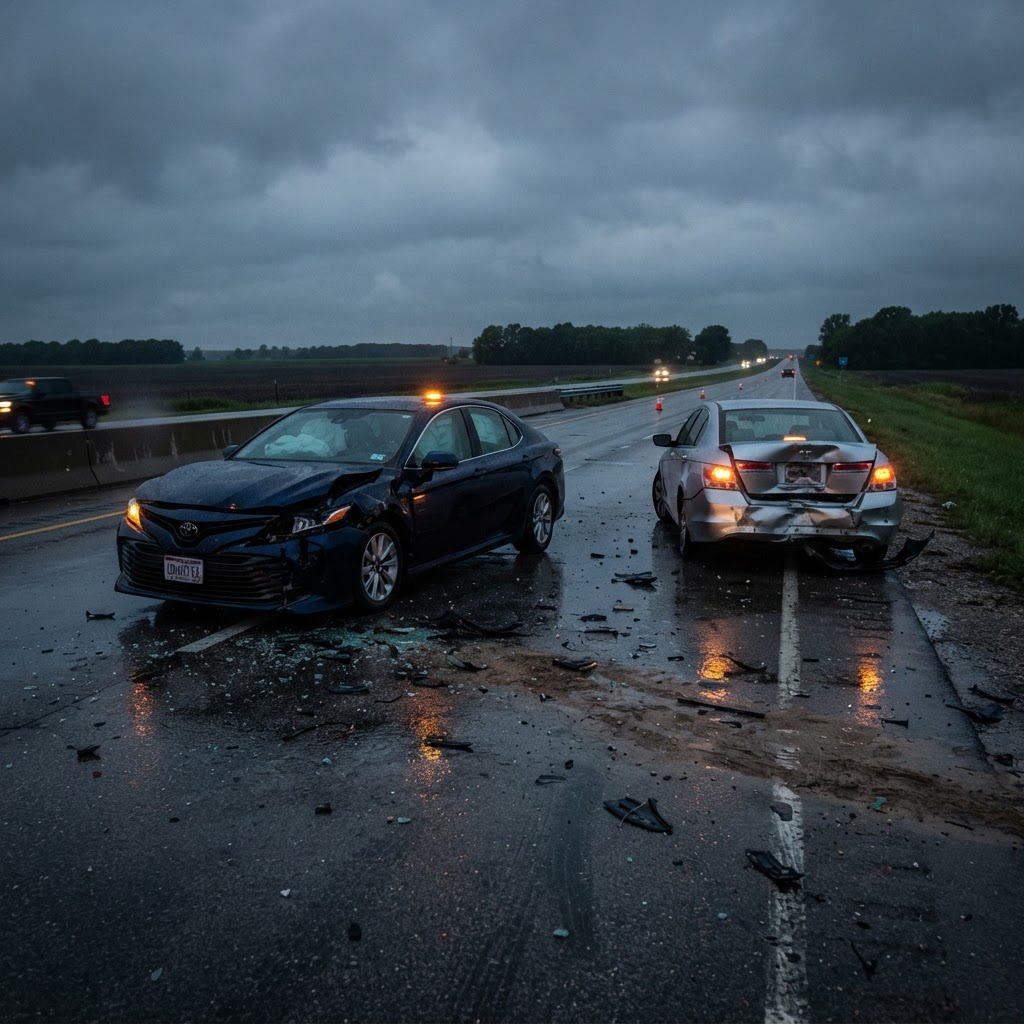
- Document everything. Take photos of the vehicles, the roadway, traffic signs, skid marks, and visible injuries.
- Get witness contacts. Independent witnesses can make or break a disputed claim.
In the Days That Follow
- Seek medical attention, even if you feel fine. Adrenaline masks pain, and some serious injuries — including traumatic brain injuries and internal bleeding — may not show symptoms for hours or days.
- Follow your doctor's orders. Gaps in treatment are one of the main reasons insurance companies deny or reduce claims.
- Don't give a recorded statement to the other driver's insurer. Their goal is to minimize what they pay you. Politely decline and speak to an attorney first.
- Keep records. Save medical bills, receipts, lost-wage documentation, and a daily pain journal.
How Long Do You Have to File?
In Illinois, the statute of limitations for most personal injury claims is two years from the date of the accident. Waiting too long means losing your right to pursue compensation entirely.
We Can Help
If you were hurt in a crash in Peoria, Tazewell, McLean, or the surrounding counties, Halliday Law offers free consultations and works on contingency — you pay nothing unless we recover compensation for you.